
Afecțiuni cardiovasculare
07-11-2025
Data publicării: 16-05-2025
Actualizare la: 19-05-2025
Subiect: Afecțiuni cardiovasculare
Durată de citire estimată: 1 min.

Autor articol
Marta Ammoni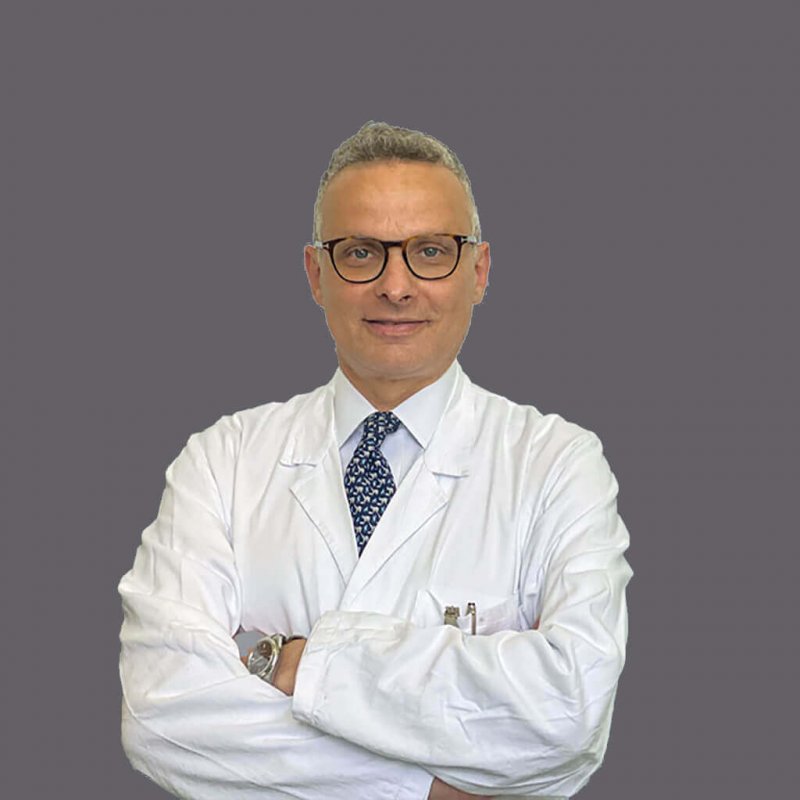
Redactor medical
Francesco Maisano
Editor și traducător
Viktoryia LuhakovaThe Heart Valve Center at IRCCS Ospedale San Raffaele celebrates its 5th anniversary, reaffirming its position as a center of excellence for the treatment of heart valve diseases.
Founded in 2019 by Professor Ottavio Alfieri, former professor at the Università Vita-Salute San Raffaele and now President of the Alfieri Heart Foundation, the Center builds on over 30 years of expertise, having treated approximately 30,000 patients since the 1990s.
Since 2021, under the leadership of Professor Francesco Maisano, Head of Cardiac Surgery and Director of the Heart Valve Center at IRCCS Ospedale San Raffaele and Full Professor at the Università Vita-Salute San Raffaele, the Center has continued to grow. It has developed increasingly less invasive procedures and become a national and international reference point for managing complex cases often deemed inoperable elsewhere.
In 2024, the Valve Center confirmed its excellence by performing 1,267 procedures with a post-operative mortality rate of just 0.8% among elective surgery patients, a figure significantly below predicted risk model estimates, demonstrating the high quality of its clinical protocols.
Among the most significant procedures, 488 patients were treated for mitral valve disease:
The overall surgical mortality rate was 0%, while for percutaneous procedures it stood at 1.8%, considerably lower than the expected 3.9%.
The Center also treated 280 patients with aortic valve disease:
The results were excellent: surgical mortality was 0%, while TAVI mortality was 1.8%, significantly below the expected 4.6%.
Additionally, the Valve Center recorded a sharp increase in the treatment of tricuspid valve disease, tripling the number of procedures in just five years thanks to a combined approach of traditional surgery and interventional techniques. In 2024, 193 interventions were performed, with a notable reduction in overall mortality from 10% in previous years to 2.7%. This improvement is attributed to the adoption of less invasive techniques that lower surgical risk and improve patient outcomes.
The success of the Valve Center lies in a patient-centered, multidisciplinary approach, combining top-level medical, surgical, and technological expertise. The team includes surgeons, interventional cardiologists, clinical cardiologists, intensivists, and imaging specialists who work synergistically to deliver personalized care. Treatment options include minimally invasive endoscopic techniques, advanced transcatheter procedures, and experimental trials for high-risk and complex cases.
In collaboration with the Università Vita-Salute San Raffaele, the Center also plays a crucial educational role, helping young cardiac surgeons and cardiologists develop their skills by:
Simulation has proven essential in minimizing surgical risk and improving the effectiveness of procedures.
The Center also partners with leading companies in medical devices, artificial intelligence, and augmented reality to test and refine state-of-the-art surgical tools, expanding its therapeutic capabilities in line with the latest innovations. This allows the Center to offer patients ever safer and more effective surgical solutions.
Additionally, San Raffaele supports remote interventions via teleproctoring, extending the expertise of its professionals to other hospitals and helping improve outcomes in less experienced centers.
By constantly monitoring results, adopting new technologies, and investing in ongoing staff training, the Heart Valve Center at Ospedale San Raffaele continues to raise the standard of care, with the goal of providing safe, effective, and transparent treatments, and embracing a philosophy of continuous improvement.
“We are proud of the results achieved over these five years. Our mission is to keep innovating and refining treatments, offering every possible solution and tailoring the ideal one to each patient,” concludes Professor Maisano.