


الصحة العقلية
30-06-2025
تاريخ النشر : 29-08-2025
تحديث في : 29-08-2025
الموضوع: الصحة العقلية
الوقت المقدر للقراءة : 1 دقيقة
Psychogeriatrics is a specialized branch of psychiatry and psychology focused on the diagnosis, treatment, and prevention of mental health disorders in the elderly.
It combines expertise in medicine, neurology, psychology, and social sciences to address the challenges of aging, either as direct causes or as contextual factors contributing to various forms of distress in later life.
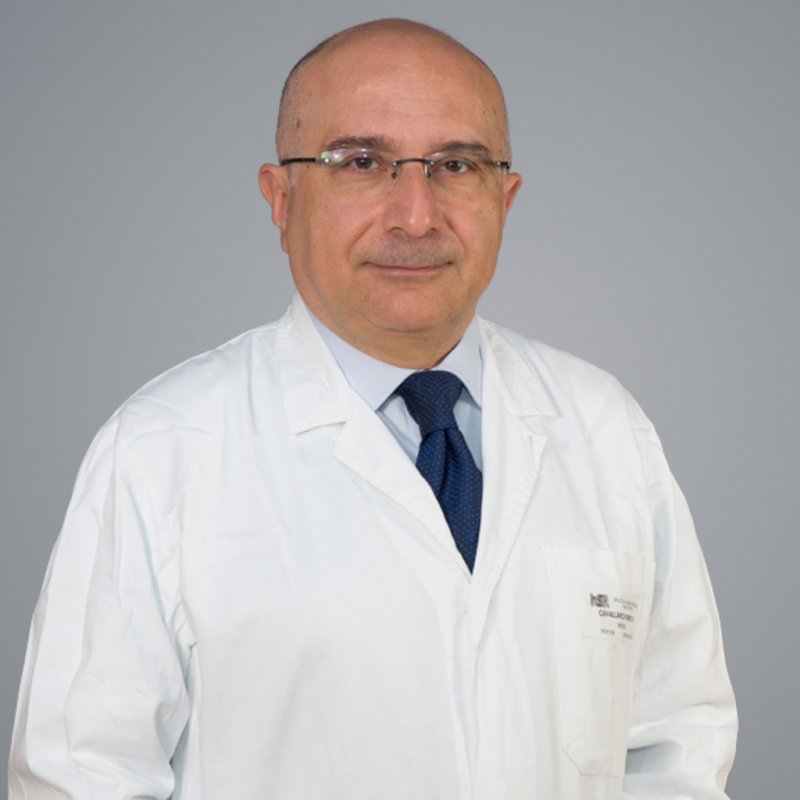
At the General Psychiatry Rehabilitation Unit of San Raffaele Turro, led by Professor Roberto Cavallaro, this particular clinical condition is treated by a highly skilled multidisciplinary team. The team's aim is to provide each patient with the most suitable care pathway and most effective treatments, with the following key objectives:
We discussed the field of psychogeriatrics, the diagnostic-therapeutic pathway, and the services offered at the hospital with Professor Cavallaro, Head of the Unit.
“A mental health condition emerging in old age is often misclassified as a primary psychiatric illness (which rarely first appears in late life), when in fact it may involve:
For example, mild declines in cognitive and physical efficiency, combined with increasing performance demands in a rapidly evolving world, may lead to stress-related issues such as sleep disturbances, anxiety, depression, or behavioral changes.
In other cases, psychological, physical, or neurocognitive frailty acquired with age may increase the risk of developing a new psychiatric disorder or worsening an existing one,” explains Professor Cavallaro.
As the population continues to age, the clinical relevance of psychogeriatrics becomes increasingly vital. Its main goals are to:
The psychiatrists, psychologists, and professional educators of the General Psychiatry Rehabilitation Unit at San Raffaele Turro Hospital are dedicated to assessing and treating the medical, cognitive, behavioral, and psychologicaldimensions of elderly patients.
Each care plan is tailored to the individual and is delivered in an integrated, multidisciplinary setting enriched by decades of clinical and research experience in psychiatry, psychology, and rehabilitation.
“Within our hospital, we offer both outpatient care, initiated either from a psychological or psychiatric standpoint, and inpatient services (under the Italian National Health System or privately), when more complex rehabilitation programs are needed or when the patient requires continuous presence in a therapeutic setting,” explains Professor Cavallaro.
Telemedicine consultations are also available.
The Unit mainly treats the following conditions within the scope of psychogeriatrics:
To carry out its mission, the Unit uses clinically validated and precise diagnostic tools, including:
Therapeutic tools include:
“The integration of multiple disciplines into a single care team and the ability to deliver diverse, coordinated interventions that address various aspects of patient distress significantly increase the likelihood of clinical improvement and better quality of life, because old age should not mean giving up," concludes Professor Cavallaro.