Nutrición
02-12-2025
Fecha de publicación: 20-10-2025
Actualizado en: 20-10-2025
Asunto: Nutrición
Tiempo estimado de lectura: 1 min

Autor del Artículo
Michele Pastorelli
Editor y Traductor
Viktoryia LuhakovaExcessive thirst, fatigue, difficulty concentrating after meals? These may be signs of a blood sugar spike, a condition much more common than most people realize.
Blood sugar spikes occur when we eat foods high in sugar or refined carbohydrates. After consumption, blood glucose levels rise rapidly, only to drop sharply afterward.
Over time, these fluctuations can contribute to insulin resistance, overweight and obesity, and type 2 diabetes.
To better understand what causes blood sugar spikes and how to prevent them, we spoke with Dr. Michele Pastorelli, nutrition biologist at Policlinico San Marco.
“Blood sugar spikes are sharp fluctuations in blood glucose levels due to the accumulation of sugars in the bloodstream,” explains Dr. Pastorelli.
Every time we eat, food is broken down into simple substances, including glucose, which enters the bloodstream and is delivered to the cells to provide energy and nutrients.
“When we consume carbohydrates, especially simple sugars, blood glucose rises rapidly. This triggers a glycemic peak, to which the pancreas responds by producing insulin, the hormone that allows glucose to enter cells, in high amounts to bring sugar levels back to normal.
This rapid drop in blood sugar, the so-called glycemic crash, occurs just as quickly as the spike and often triggers hunger and cravings, typically for sweets, creating a vicious cycle,” explains Dr. Pastorelli.
A postprandial (after-meal) blood sugar spike can cause:
When blood sugar then drops below normal levels, a glycemic crash, symptoms may include:
As mentioned, avoiding blood sugar spikes is key to preventing:
There is indeed a link between glycemic peaks and hunger, which can promote weight gain and increase the risk of overweight and obesity.
“Constant insulin stimulation inhibits the hormones responsible for releasing stored fat from adipocytes and contributes to blood sugar crashes. These drops, in turn, stimulate the production of ghrelin, a hormone produced by the stomach that triggers hunger, while inhibiting the satiety hormone leptin,” continues Dr. Pastorelli.
To prevent blood sugar fluctuations, the first step is to watch what you eat, follow a balanced, varied diet and favor foods with a low glycemic index (GI), meaning those that raise blood sugar more slowly.
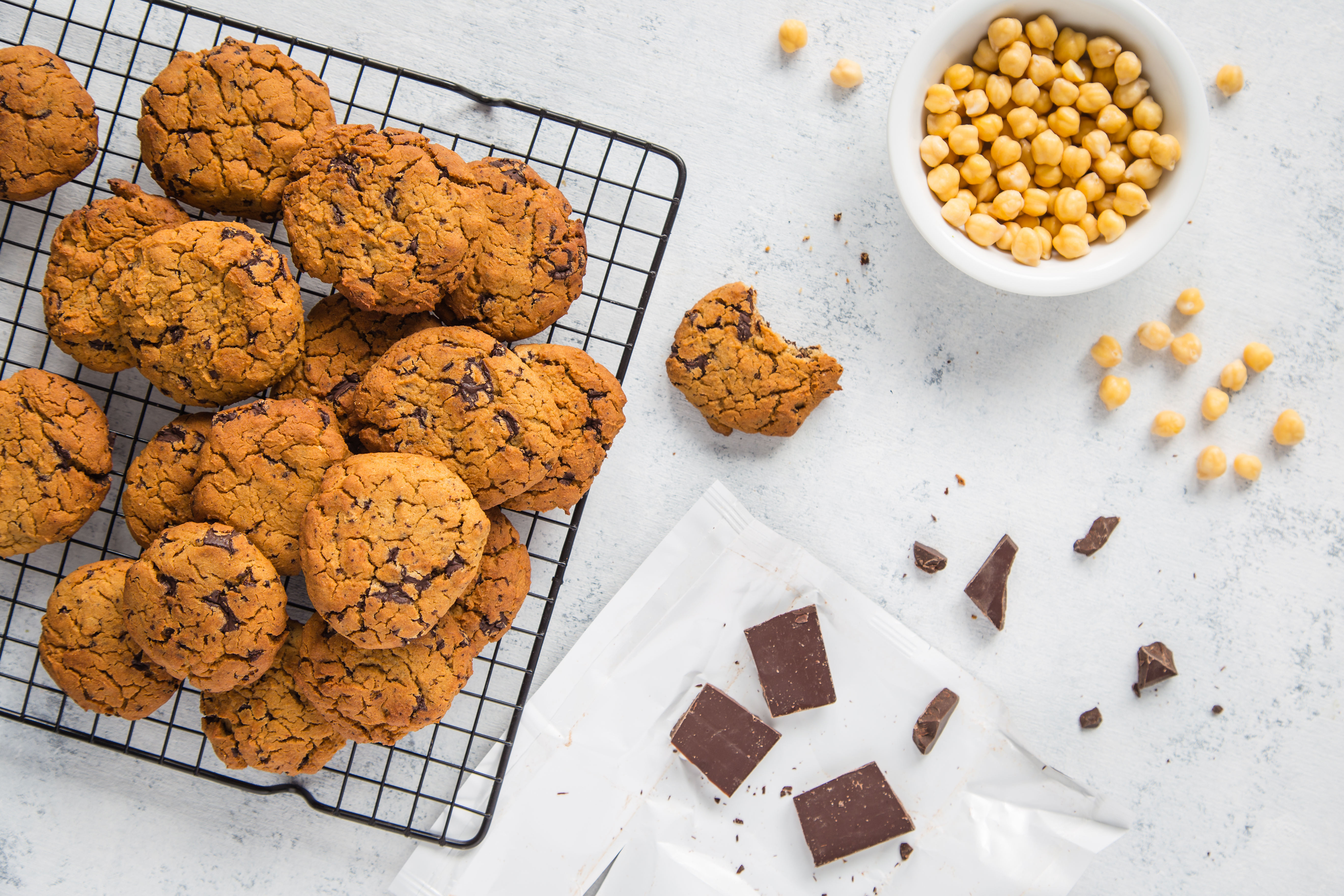
“The quality and type of carbohydrates you eat directly and differently affect blood sugar levels. Simple carbohydrates are high-GI foods because they cause a rapid spike in blood glucose. These are foods that contain a high percentage of simple sugars per 100 grams, such as corn, certain fruits, white rice, baked goods made with refined flour (‘00’ flour), sweets, cookies, pastries, and sugary drinks.
By contrast, complex carbohydrates are low-GI foods because they are digested and absorbed more slowly, keeping blood sugar levels more stable. Examples include oats, wheat, barley, brown rice, and whole-grain pasta,” explains Dr. Pastorelli.
“It’s essential to learn how to read labels carefully. A common mistake is overlooking product labels. Special attention should be paid to foods labeled as sugar-free or zero-calorie, because they often contain artificial sweeteners that can significantly alter the insulin response, sometimes even more than regular sugar,” advises Dr. Pastorelli.
Beyond carbohydrate quality, certain food pairing strategies can help maintain steady blood glucose levels:
“In addition to diet, some people may benefit from supplements containing inositol. Inositol is a molecule naturally produced by the body and found in foods such as liver, eggs, and oats. It plays several beneficial roles, including helping regulate blood glucose, and has shown effectiveness in managing metabolic syndromeand reducing cardiovascular risk factors such as obesity, hypertension, and hyperglycemia,” says Dr. Pastorelli.
“Physical activity is also crucial in reducing blood sugar spikes, as muscle activity enhances glucose metabolism. When we move, muscles use glucose as fuel to produce energy, thus lowering the amount of sugar in the bloodstream,” notes the nutrition biologist.
Even a 30–40 minute brisk walk after meals, once digestion has finished, can help prevent post-meal blood sugar spikes.