
طب الغدد الصماء
08-09-2025
تاريخ النشر : 29-09-2025
تحديث في : 29-09-2025
الموضوع: طب الغدد الصماء, علم الأورام
الوقت المقدر للقراءة : 1 دقيقة

محرر طبي
Riccardo Maggiore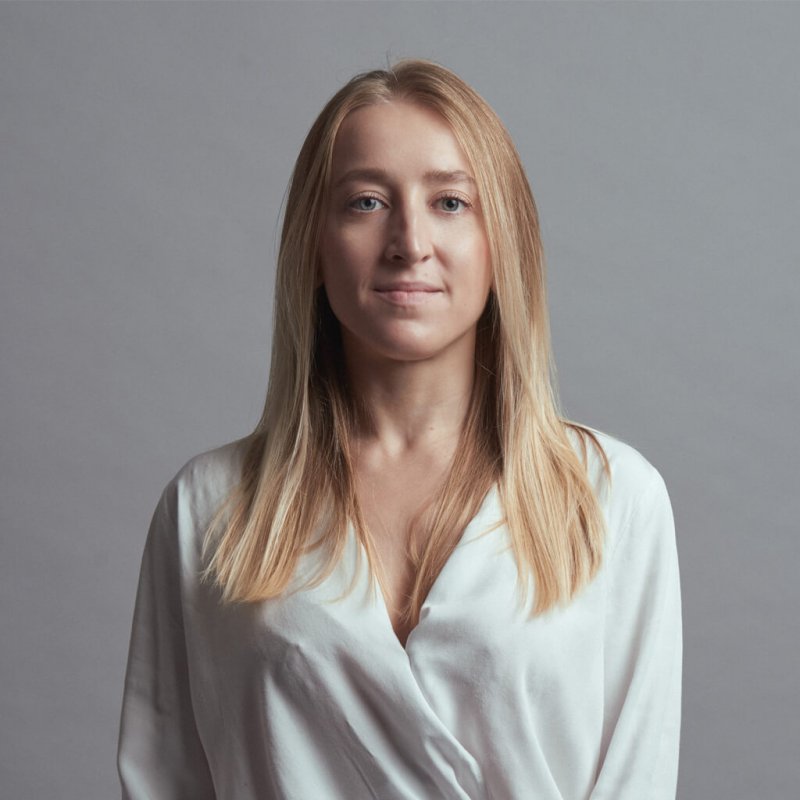
محرر ومترجم
Viktoryia LuhakovaThyroid tumors are the most common type of cancer affecting the endocrine system. Each year, approximately 6.7 new cases per 100,000 inhabitants are reported.
These tumors occur more frequently in women and represent the 5th most common cancer among women in Italy. The average age at diagnosis is around 46 years, with a peak between 45–49 years in women and 65–69 years in men.
Are thyroid cancers really becoming more frequent? What treatment options are available? We asked Dr. Riccardo Maggiore, Head of the Endocrine Surgery Unit at IRCCS Ospedale San Raffaele, directed by Prof. Riccardo Rosati, to explain.
“In recent decades, there has been a rise in the incidence of thyroid cancer, especially in so-called differentiated thyroid cancers, which are the most common.
One of the main reasons for this increase is the improvement in diagnostic techniques. Small thyroid nodules are increasingly detected incidentally during imaging exams such as ultrasound, CT, or MRI performed for unrelated reasons. This has led to more diagnoses, including very small and indolent tumors.
In fact, in most cases these are slow-growing tumors, with a very low 10-year mortality rate (around 0.5%). Despite the rise in diagnoses, mortality rates have remained stable.
However, some studies suggest there may also be a true increase in incidence, related to environmental factors such as radiation exposure or endocrine-disrupting chemicals,” explains Dr. Maggiore.
Discovering a thyroid nodule can be worrisome, but it is important to know that the majority of nodules are benign. Thyroid nodules are very common, especially in women, and are often discovered incidentally.
“The first step after diagnosis is to see an endocrinologist. They will assess the type of nodule, its size, and any associated symptoms. Based on this evaluation, further tests may be ordered, including:
Based on the results, the specialist may recommend either:
It is important not to panic: most nodules are not dangerous and can be safely managed with regular follow-ups. Consulting experienced professionals is key to handling the situation calmly and effectively,” continues Dr. Maggiore.
When a thyroid nodule is diagnosed, particularly if malignancy is suspected, it is crucial to be evaluated in specialized centers where a multidisciplinary team works together. This ensures a comprehensive, coordinated approach that addresses all clinical, diagnostic, and therapeutic aspects.
The multidisciplinary team includes:
“Relying on a reference center where specialists collaborate within well-structured Disease Units guarantees a safe, personalized, and effective diagnostic–therapeutic pathway. This is especially critical when surgery is considered: the surgical team’s experience is a key factor in minimizing complications and achieving optimal results. An expert team not only treats the nodule but also provides patients with support and clarity at every stage from diagnosis to treatment decisions to long-term follow-up,” says Dr. Maggiore.
If FNA results or clinical assessment suggest malignancy, surgery is almost always required to remove either part or all of the thyroid. The surgical approach depends on the diagnosis:
“When it comes to thyroid surgery, the surgeon’s experience is crucial for both safety and efficacy,” Dr. Maggiore emphasizes.
The thyroid is a delicate gland located near vital structures such as the recurrent laryngeal nerves (responsible for vocal cord function) and the parathyroid glands (which regulate calcium metabolism). An experienced surgeon knows how to preserve these structures, minimizing complications such as:
Modern endocrine surgery employs innovative techniques to further improve outcomes, including:
“These tools and skills make a real difference, allowing for safer, less invasive surgery and faster recovery times,” concludes Dr. Maggiore.